


The importance of master plans and scientific research for investing in tourism regions in the development of Central Asian countries
Introduction
In recent years, the countries of Central Asia - Uzbekistan, Kazakhstan, Kyrgyzstan, Tajikistan and Turkmenistan - have been identifying the tourism sector as one of the priority areas of national development in their economic strategies. The region's rich natural resources, historical and cultural heritage and transport and logistics capabilities are making tourism a new driver of economic diversification and sustainable growth.
In this process, master plans and scientific research for tourism regions are becoming the main scientific and practical support of regional development policy. They not only determine infrastructure and architectural projects, but also serve to manage investment flows, ensure environmental sustainability and increase socio-economic benefits.
1. Strategic importance of master plans
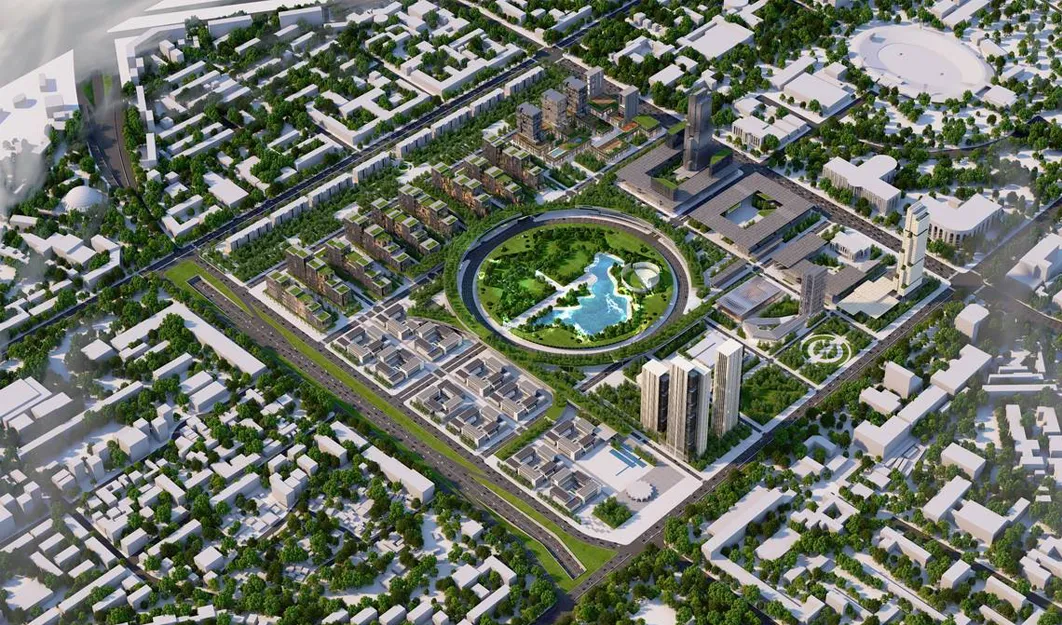
Master plans developed for tourism are not just a construction or design concept, but also a comprehensive development model for the territory.
They are important in the following key areas:
* Territorial integration and investment clarity: The master plan defines clearly planned zones, infrastructure areas and business opportunities for investors.
* Urban balance: Serves to harmonize tourism centers with urban planning, ecology and the social environment.
* Safe and sustainable development: Creates a system of rational use of resources such as water, energy, waste management.
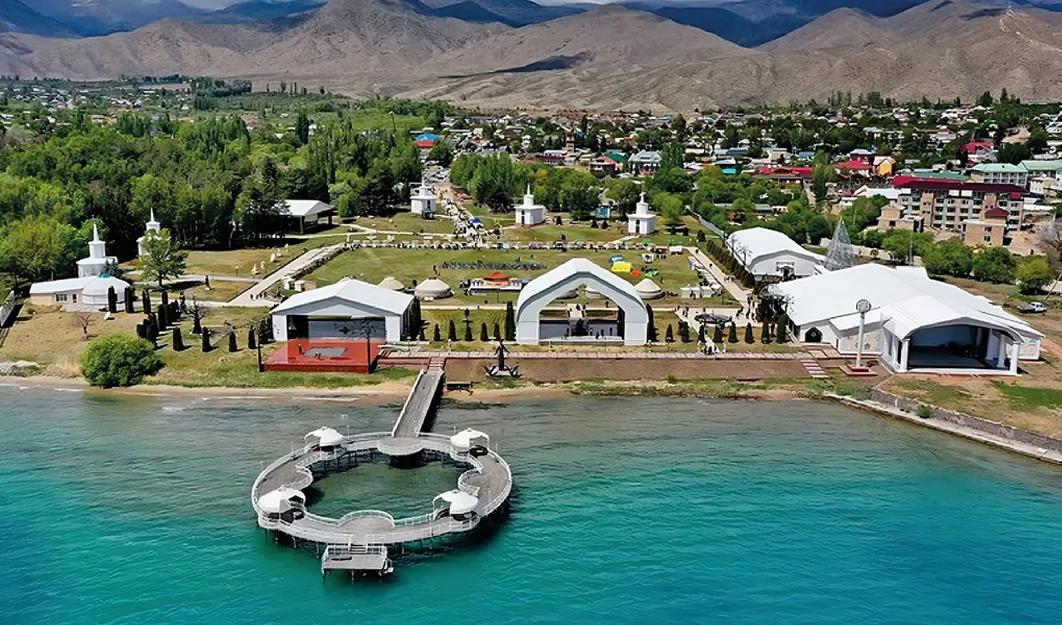
For example, the master plans of the Sea Breeze Uzbekistan (Charvak) or the Aydar-Arnasay Lakes tourism zone in Uzbekistan provide for this very approach - namely, combining tourism with the principles of natural resource conservation and a green economy.
2. The role of scientific research and innovative approaches
Scientific research forms the foundation of master plans. They create new opportunities in the following areas:
* Ecological monitoring and landscape analysis: Data on natural conditions, climate, water resources and biodiversity are collected for each tourism area.
* Economic model and profitability analysis: Investment volume, amortization period, income sources and types of services are calculated on a scientific basis.
* Integration of smart city and digital technologies: Digital management of tourism infrastructure is introduced using artificial intelligence, IoT and GIS systems.
As a result, a scientific approach allows tourism to be developed not “intuitively”, but analytically and data-driven.
Investment opportunities and economic benefits
Tourism projects formed on the basis of a master plan will be attractive to international investors due to the following aspects:
* A clear legal framework and reduced risks - design, land allocation, tax benefits will be predetermined.
* Regional integration - tourism routes and transit infrastructure between Central Asian countries will be interconnected.
* Multi-sectoral economic impact - tourism develops not only the hotel and transport sectors, but also agriculture, crafts, gastronomy and service sectors.
For example, projects along the Chartak and Naryn rivers in Namangan region are attracting more than 1 million tourists annually, creating thousands of new jobs and investing hundreds of millions of dollars in the regional economy.
4. Regional cooperation and international integration
Master plans for tourism regions strengthen economic, environmental and cultural integration between the countries of Central Asia.
In this sense, cooperation is being strengthened in the following areas:
* Establishment of joint research institutes and data centers;
* Development of regional “Tourism Innovation Laboratories”;
* Cross-border tourism routes (for example, digital revitalization of the “Great Silk Road”);
* Introduction of international certification and sustainability standards.
These processes will transform the region into a single economic tourism platform.
Scientifically based planning of tourism regions in Central Asia and attraction of investment based on master plans is not only a factor of economic growth, but also a strategy for sustainable development, environmental safety and preservation of cultural heritage.
With the help of such approaches in the future, Central Asia has the potential to become a new world center for tourism, culture and environmental innovation.
Economic opportunities created by tourism master plans
1. Direct investment flows
Master plans developed for tourism create a clear, orderly and safe environment for investors.
Through this:
Foreign direct investment (FDI) is attracted;
Infrastructure projects are financed on the basis of public-private partnerships (PPP);
Local manufacturers and construction companies are involved, which accelerates capital turnover.
For example, in the Charvak “Sea Breeze” project in Uzbekistan, foreign investment, investments in tourism infrastructure and hotel sectors reached more than 100 million US dollars.
2. Employment and new jobs
Tourism is one of the most labor-intensive sectors of the economy.
During the construction and operation of each major tourism center, jobs are created in the following areas:
In the field of construction and architecture;
In transport, logistics, energy infrastructure;
In the hotel, restaurant, service and recreation sectors;
In cultural, sports, environmental and excursion activities.
A tourism zone of just 500 hectares creates 3-5 thousand direct jobs and 10-15 thousand indirect employment opportunities.
3. Development of the local economy and entrepreneurship
A large market for small and medium-sized businesses opens up around tourism centers.
For example:
Local products and crafts (souvenirs, handicrafts, food);
Transport and guide services;
Rural tourism and ecological farms.
As a result, the tourism area becomes a multi-sector cluster of the economy. This model enhances economic diversification and ensures sustainable growth of the region.
4. Modernization of infrastructure and logistics
The infrastructure necessary for tourism — roads, airports, power grids, water and sewage systems — improves the economic life of the entire region.
For example, new roads, water networks and hotel complexes built around the Namangan-Chartak tourist route serve not only tourists, but also the well-being of the local population.
5. Tax revenues and budget stability
Tourism activities benefit the state budget in the following areas:
Tax and customs revenues (hotels, restaurants, transport, trade);
Tourism fees and license fees;
Income from state-owned land and property leases.
Thus, tourism master plans create stable budget resources and increase the financial independence of local authorities.
6. Economic efficiency through international image and branding
Well-planned tourism projects increase the international economic reputation of the country.
This leads to the following economic consequences:
A reliable investment environment for foreign capital;
Attraction of international business and events (forums, exhibitions, sports competitions);
Increase in property and asset prices in areas with increased brand value.
For example, as in the Qiddiya (Saudi Arabia) or Great Nicobar (India) projects, master plans act as an economic model that combines brand and investment.
7. Innovation and transition to a “Green Economy” Modern tourism projects often include innovative solutions such as smart cities, green energy, digital management.
This opens up the following new economic areas:
Solar and wind energy production;
Development of smart infrastructure systems (IoT, GIS, AI);
Digital services market (reservation systems, tourism information platforms).
As a result, investments in the tourism sector become a catalyst for an innovative economy.
Conclusion
Tourism master plans are not just recreational infrastructure, but a new ecosystem for economic growth, employment, innovation and sustainability.
Through such projects, Central Asian countries will:
create an open and competitive market for international investment,
diversify national economies,
move to an environmentally sustainable and people-centered development model.
✍️ Dr. Avazbek ABDULKHAYEV
Expert in urban planning and sustainable development,
Advisor on Urban Planning and Smart City projects