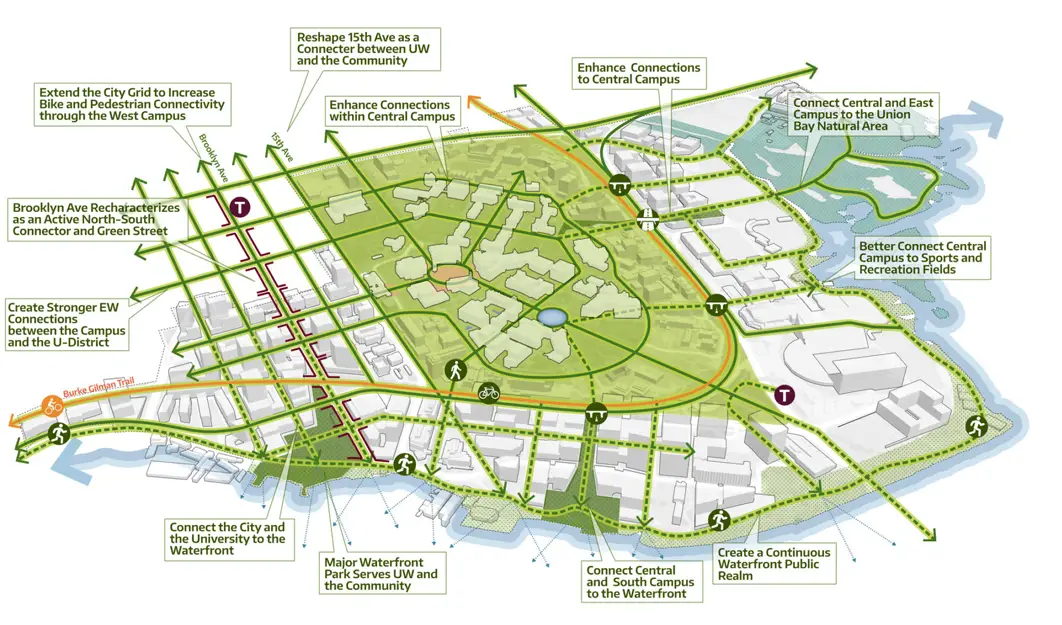
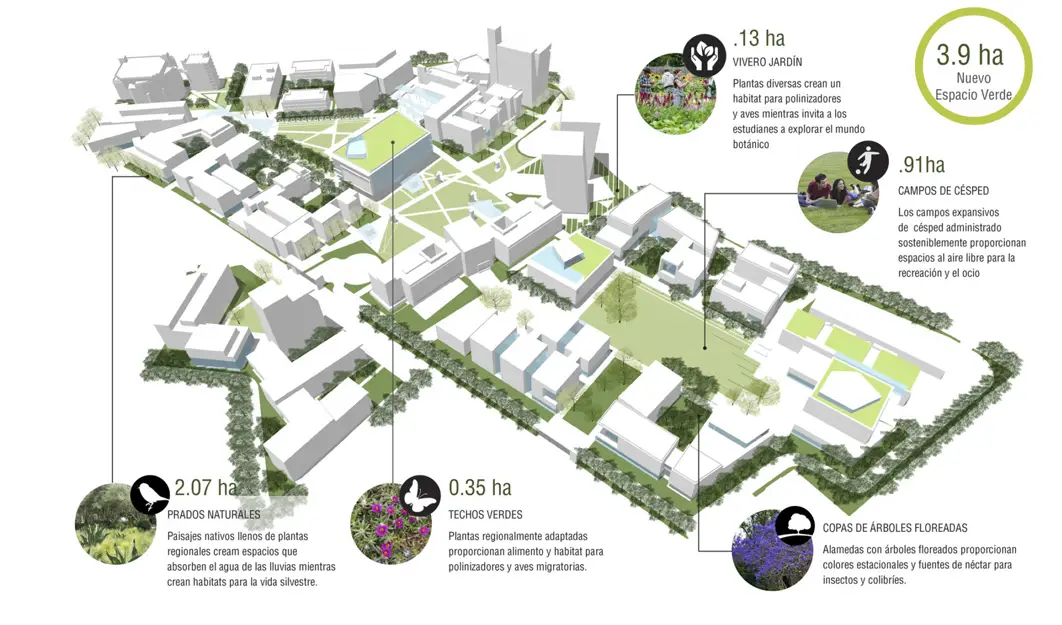
Master Plan and General Plan: History, Essence, and Practical Importance
1. Historical origins
The General Plan concept emerged in Europe during the 19th–20th centuries amid rapid urbanization.
During the Industrial Revolution, population growth, transportation, and sanitation challenges made general urban plans essential.
In the 1930s–1950s, in the Soviet Union, the “Genplan” became widespread, focusing on centralized planning and functional zoning.
The Master Plan concept appeared in the West (USA, UK) in the 1950s–1960s.
It included not only spatial planning but also economic, social, environmental, and technological dimensions.
It served as a conceptual foundation for general plans and other technical projects.
2. Key differences between a Master Plan and a General Plan
General Plan:
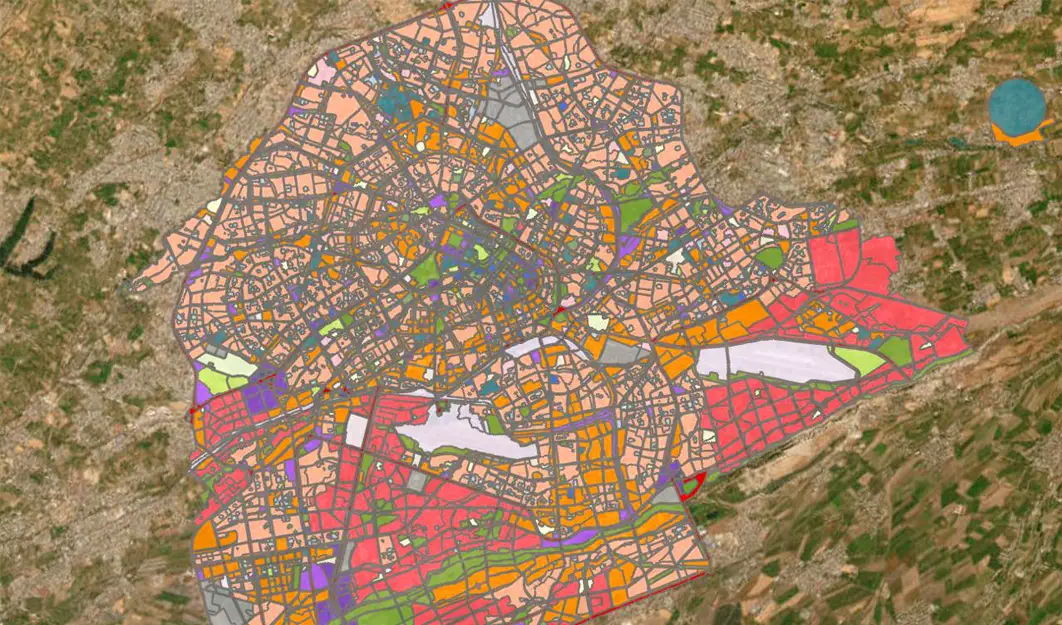
A spatial zoning document for the city.
Defines land use: housing, industry, green zones, transportation, social facilities.
Legally binding and mandatory for implementation.
Master Plan:
A strategic development document.
Covers economy, transport, ecology, tourism, digital infrastructure.
Acts as a visionary roadmap, guiding the General Plan and implementation projects.
3. Critical aspects in developing a Master Plan
1. Clear strategic goals – a 20–30-year vision with key sectors defined.
2. Geographical and spatial analysis – transport, climate, natural resources, environmental risks.
3. Economic modeling – investments, industrial clusters, exports, job creation.
4. Social infrastructure – housing, healthcare, education, quality of life.
5. Transport and logistics systems – integration of local and international networks.
6. Ecology and sustainability – green zones, energy efficiency, waste management.
7. Digital and technological integration – smart city solutions, AI, IoT.
8. Legal and institutional framework – state policy, international standards, PPPs.
4. Key criteria
Sustainability – balancing economy, society, and environment.
Flexibility – adaptability to changing conditions.
Integration – interconnection of sectors.
Innovation – adoption of new technologies.
Regional equity – balanced development beyond the center.
Global competitiveness.
Financial viability.
5. Conclusion
The General Plan is a technical, binding planning document.
The Master Plan is a strategic vision and long-term roadmap.
Together, they form a complete system: the Master Plan sets the vision, the General Plan implements it.
In today’s global context, cities require not only a General Plan but also a Master Plan to ensure sustainable, competitive, and livable urban development.
✍️ Avazbek ABDULKHAEV