

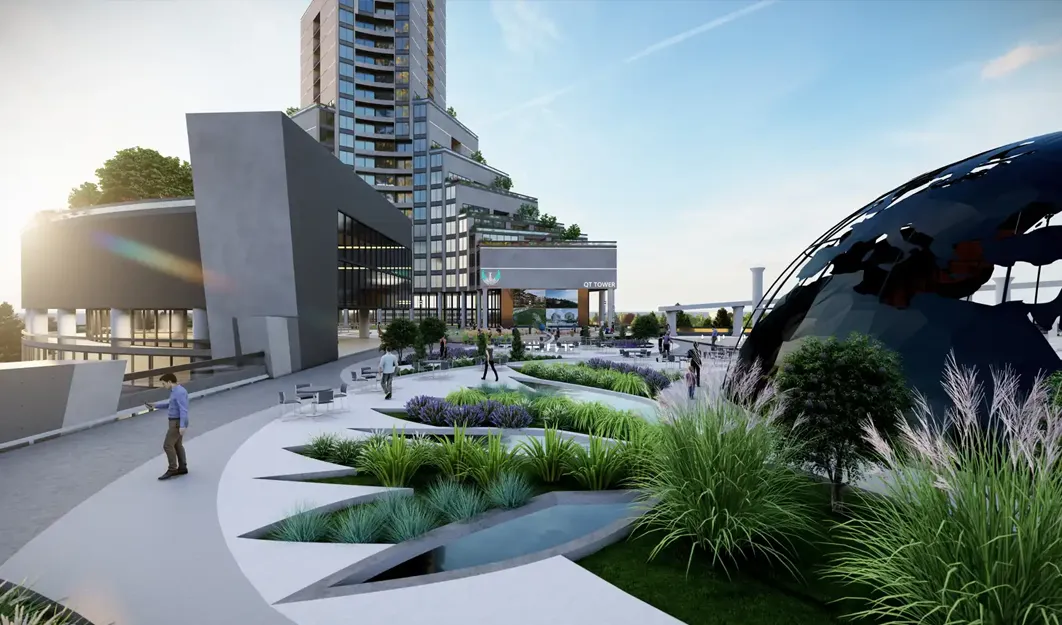
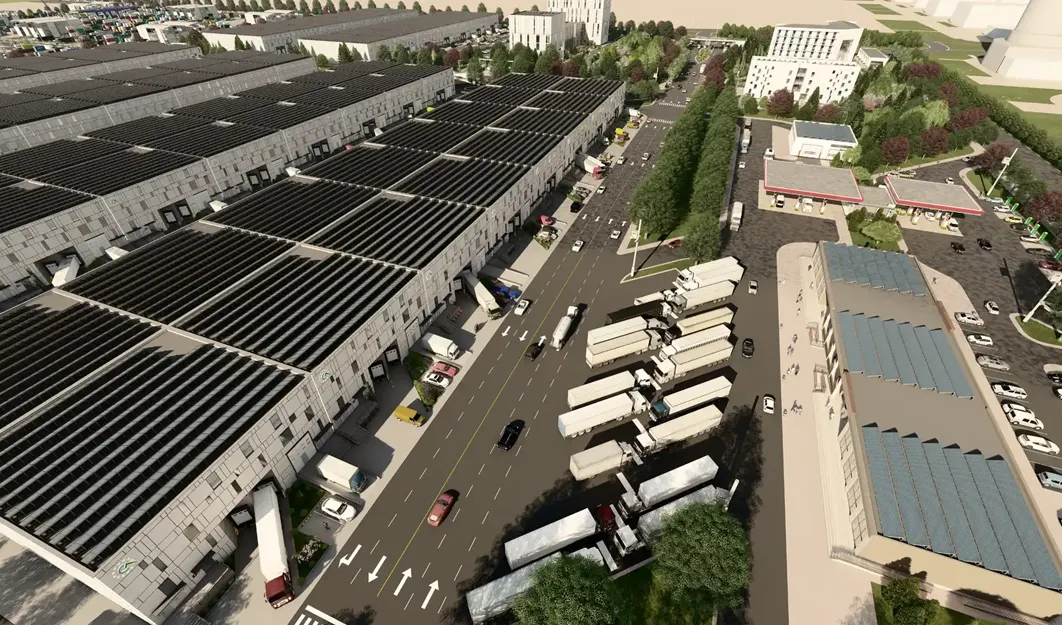
Concepts and Strategic Importance of Smart City Master Plans in the New World Order
Introduction
As we approach the third quarter of the 21st century, the world is moving beyond traditional urbanization models toward innovation-driven, digital, and sustainable cities.
This transformation is not only architectural, but also economic, social, environmental, and governance-oriented.
In the new world order, smart cities have become strategic centers that define national competitiveness, quality of life, and sustainable growth.
Main Concepts
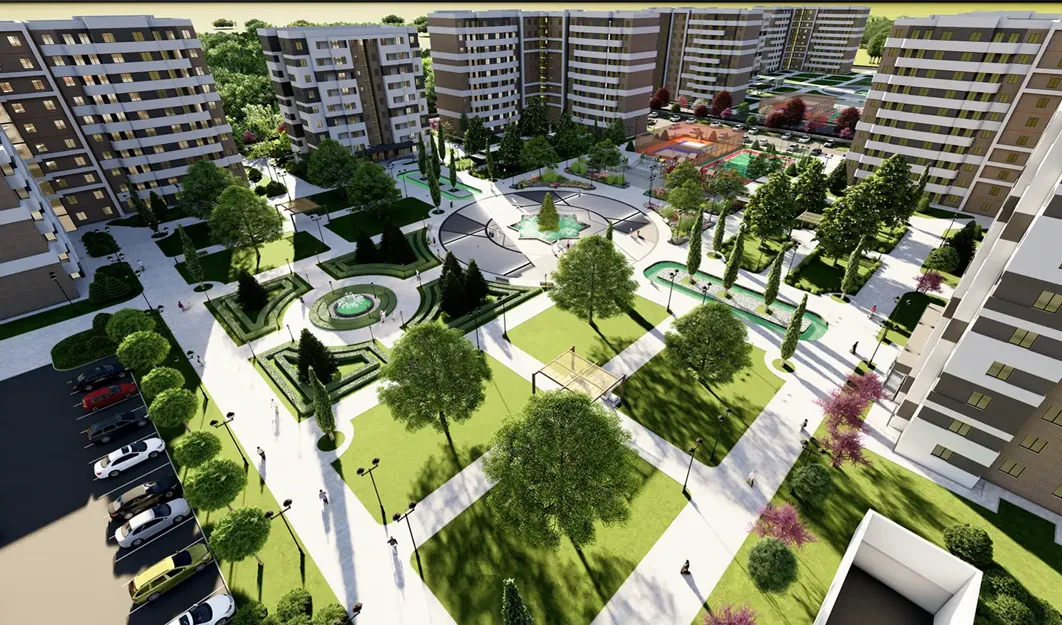
1. Green and Sustainable City: Renewable energy, zero-carbon targets, waste management, and circular economy.
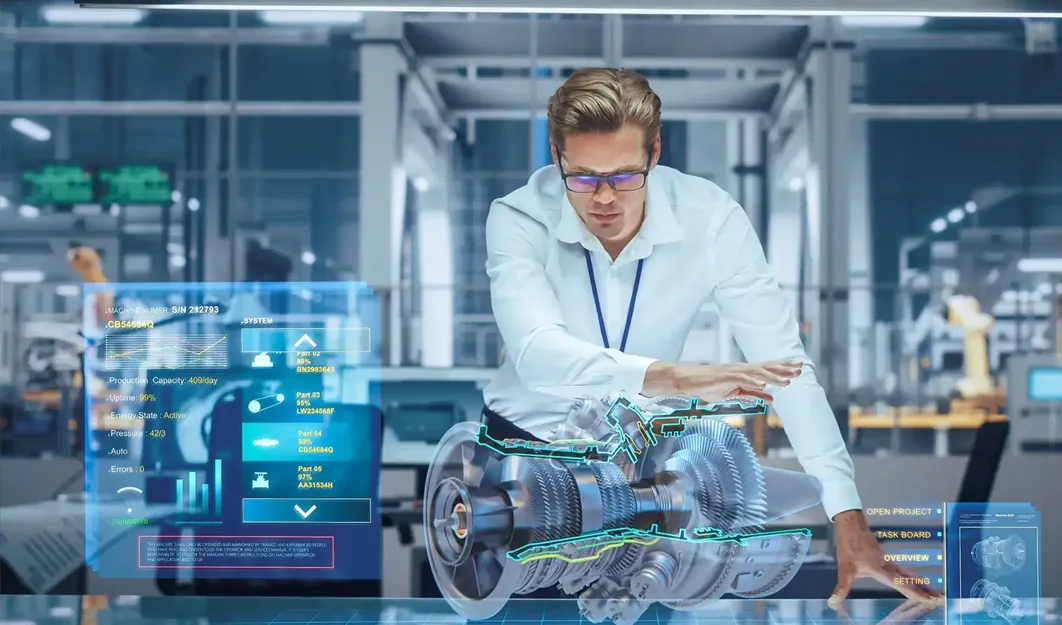
2. Digital Infrastructure & Artificial Intelligence: IoT, 5G, big data, and AI-based governance systems.
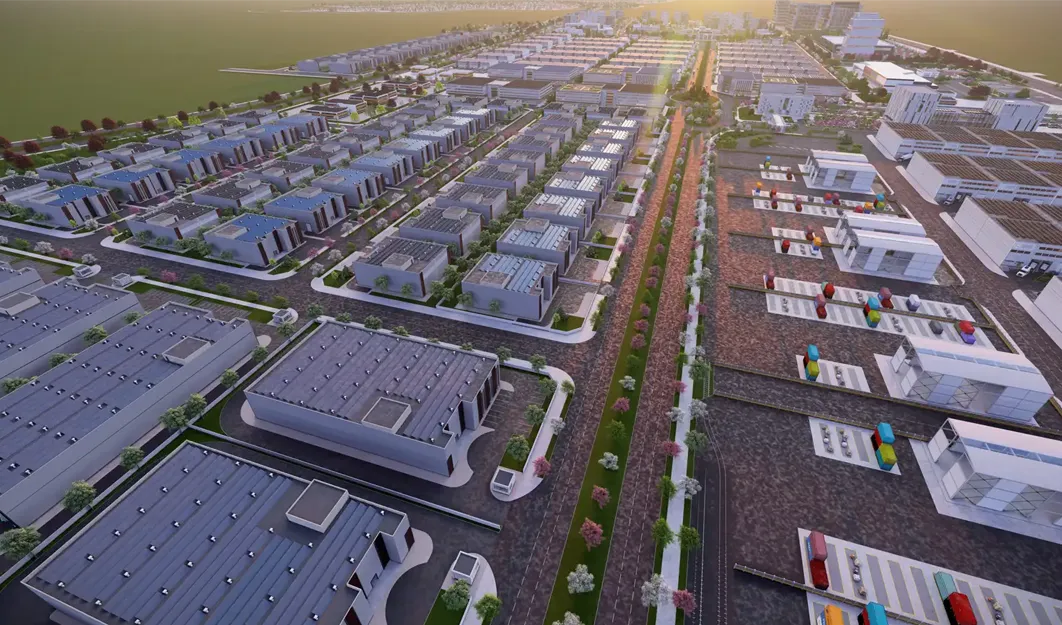
3. Smart Economy & Innovation: Start-up zones, R&D clusters, digital finance hubs.
4. Social Innovation: E-governance, digital health, preservation of cultural heritage.
5. Smart Mobility: Electric transport, autonomous systems, logistics centers.
6. Resilient City: Disaster management, climate monitoring, energy resilience.
7. Blockchain & Digital Security: Transparent data systems, cybersecurity, and digital identity.
Conclusion
In the new global paradigm, a smart city is no longer just a project — it is a living ecosystem:
A system that produces its own energy, analyzes its data, protects its culture, and grows through innovation.
This is the foundation for the resilient and sustainable civilizations of the future.